

I hope you enjoy reading this blog post. If you want my team to just do your email and SMS marketing for you, click here.
The Rise of Psychological Tactics in Email Opt-Ins: A Closer Look
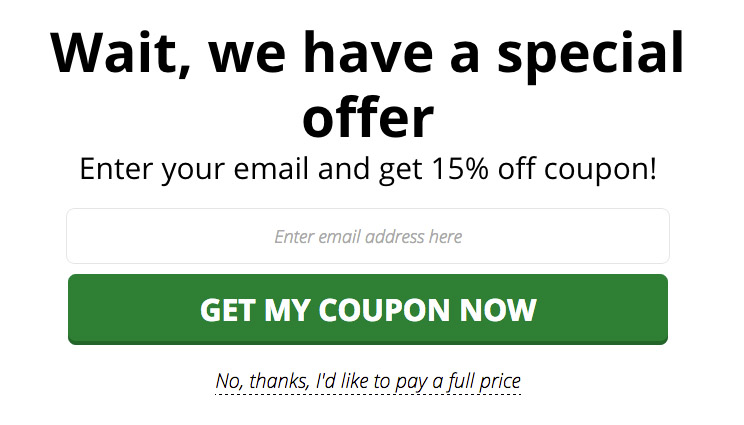
Have you noticed those clever little “welcome” messages popping up across the web lately? They’re an intriguing strategy that brands are using to grow their email and text lists by offering small discounts in exchange for your email address or phone numbers. What makes these messages stand out is their psychological approach—rather than a simple “yes” or “no,” they present options that subtly nudge users toward opting in.
Take Bow and Drape, for example. While browsing their site for the first time, I encountered a pop-up offering a discount in exchange for my email. What’s fascinating is the way the alternative option was framed: “No thanks, I prefer to pay full price for ACTUALLY cute, custom clothing.” This phrasing is designed to make the decision more impactful, tying the user’s choice to a perceived value.
The Psychology Behind the Strategy
This approach isn’t just about offering a discount—it’s about leveraging human psychology. By framing the alternative option in a way that feels less desirable, brands make the “yes” option more appealing. It’s a tactic that taps into our natural desire to avoid loss or missing out.
As someone who works in advertising, I find this strategy both clever and effective. It’s harder to say “no” when the alternative is framed as a less attractive choice. This subtle push can encourage users to opt in, helping brands build their mailing lists and engage new customers.
Enhancing the Customer Experience
While the tactic is effective, there’s always room to refine the user experience. For example, rather than presenting the message immediately upon landing on the site, it could appear after the user has clicked on an item or shown genuine interest. This way, the opt-in feels more contextual and less intrusive.
Additionally, emphasizing the benefits of joining the mailing list—such as exclusive offers, first access to new collections, or personalized recommendations—could make the opt-in feel like a value-driven decision rather than a pressured one.
Why It Works
The strategy works because it’s rooted in understanding how people think. It’s a prime example of a “persuasion architecture,” where the design guides users toward a desired action. By framing the alternative option in a way that feels less appealing, brands create a subtle but powerful incentive to say “yes.”
Far from being manipulative, this approach can be seen as an innovative way to engage potential customers. When done thoughtfully, it aligns the goals of the brand with the desires of the user, creating a mutually beneficial outcome.
A Positive Perspective
Rather than viewing this tactic as intrusive, it’s worth appreciating it as a creative marketing tool. It’s a strategy that challenges brands to think beyond the traditional “yes” or “no” options, encouraging more dynamic and engaging interactions with their audience.
For retailers, the takeaway is clear: understanding and respecting customer psychology can lead to more effective marketing strategies. For customers, it’s a reminder to recognize the thoughtfulness behind the messages we encounter online.
At the end of the day, tactics like this demonstrate the evolving nature of digital marketing. By balancing creativity with respect for the customer experience, brands can create connections that are both meaningful and impactful.
You can get the first lesson of my course totally FREE
You’ll learn powerful strategies and tools to take your email and SMS campaigns to the next level. Ready to start your journey today?
🧠 Years of expertise packed into a course
Click here - Get 75% OFF for a limited time and gain proven strategies to elevate your email & SMS marketing